

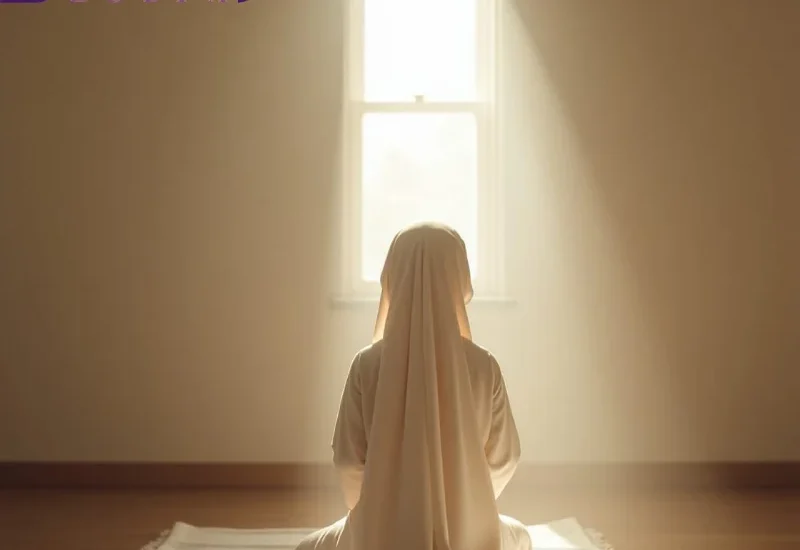
In the rhythm of daily life, when the world becomes overwhelming and hope seems distant, many believers turn inward — not to escape, but to connect. One of the most intimate ways a Muslim can seek divine assistance is through Salat Al Haja — a prayer specifically offered when one is in need, lost, or yearning for guidance.
This sacred act, though often understated, carries within it the promise of closeness to Allah and the possibility of answered pleas. Whether you’re facing a personal challenge, a crossroads in life, or a silent longing that words can’t express, Salat Al Haja is your gentle knock on heaven’s gate.

Between the Lines of Prayer: Spiritual Secrets of Salat Al Haja
More than a physical act, Salat Al Haja is deeply spiritual. It’s not merely about requesting something — it’s about surrendering to the Divine with pure intention. The moment your forehead touches the ground, it becomes less about what you ask for and more about the One you’re asking.
In Islam, prayer is not only ritual; it’s reflection, submission, and profound presence. And within Salat Al Haja, this presence is magnified. You’re not just praying — you’re spiritually aligning with divine will.
The Islamic view of angels supports this belief. Angels, created from light, record our deeds and carry our prayers. When you engage in Salat Al Haja, you are spiritually accompanied by these unseen beings, testifying to your plea.
The Gentle Knock on Heaven’s Gate: Salat Al Haja in Moments of Desperation
Desperation often brings us to our knees — literally and figuratively. But Salat Al Haja transforms this moment into strength. In its stillness lies power.
When there’s no one to talk to, no solution in sight, and the heart is heavy, this prayer becomes a lifeline. It reminds us that even in the quietest corners of our despair, Allah hears us. And He, unlike anyone else, knows what’s within the chest.
It is during such moments that Salat Al Haja dua for urgent needs takes shape — a whispered invocation made with tears, faith, and full reliance on divine mercy.
Turning Stillness into Supplication: The Essence of Salat Al Haja
Stillness is often mistaken for weakness. But in the realm of worship, stillness can be louder than words. In Salat Al Haja, silence speaks volumes. The heart engages more than the tongue. The soul pleads more than the voice.
Salat Al Haja teaches patience. It teaches trust. You don’t just recite; you reflect, you resonate, you release. In this divine stillness, the believer learns that Allah’s timing is always perfect.
From Helplessness to Hope: Discovering Strength in Salat Al Haja
Helplessness can paralyze us — but Salat Al Haja revives the soul. It is the act of turning helplessness into hope by admitting our need to Allah, not out of weakness, but from humility.
Many Islamic scholars note that when the Prophet (PBUH) faced challenges, he would rush to prayer. This prophetic model teaches us that Salat Al Haja isn’t about desperation only — it’s about confident hope.
This prayer becomes even more essential when you consider the influence of Iblis Shaitan. His mission is to disconnect you from Allah, to whisper doubts and delays. But when you rise for Salat Al Haja, you directly resist his influence. You reconnect. You reclaim your purpose.
When You Have No One but Allah: The Refuge of Salat Al Haja
There are moments in life when no human comfort is enough. Friends can’t relate. Family doesn’t understand. But Allah — Al-Sami’, the All-Hearing — is always near.
Salat Al Haja becomes the refuge for those moments. It’s the spiritual shelter you seek when worldly doors close.
And the beauty of Islam is that even when you’re at your lowest, Allah doesn’t judge — He welcomes. He listens. He gives.
Those who regularly perform Salat Al Haja often report a deep inner peace, even before their dua is answered. Why? Because they’ve entrusted their worries to the Most Trustworthy.
The Prayer of the Broken: How Salat Al Haja Heals the Soul
This prayer isn’t just a solution. It’s a form of healing. The soul, often wounded by life’s hardships, finds calm in submission.
The benefits of Salat Al Haja in Islam extend beyond worldly needs. It brings clarity, eases anxiety, and nurtures tawakkul — reliance on Allah.
When the soul is broken, Salat Al Haja stitches it back together with threads of faith. In each prostration, there’s healing. In each dua, there’s transformation.
Best Time to Pray Salat Al Haja
While this special prayer can be performed at any time (except the prohibited times after Fajr and Asr), scholars recommend the last third of the night — a moment when Allah descends to the lowest heaven and says: “Who is calling upon Me that I may answer him?”
This sacred window makes your dua even more intimate and powerful. If you truly wish to align your heart with divine mercy, this is the best time to pray.
Your Journey with Salat Al Haja Begins Here
Whether you’re a new seeker or a lifelong believer, deepening your connection with Allah through Salat Al Haja is a transformative journey. And you don’t have to walk this path alone.
At ZULFA INSTITUTE, we offer courses that help you explore not only the mechanics but the spiritual depth of such powerful prayers. You’ll learn how to perform Salat Al Haja, understand its context, and explore its place within Islamic theology — all with trusted scholars.
Ready to embark on a deeper spiritual journey?
Call us now at 01202942383 or explore our full range of Courses designed to revive your heart and reconnect you with divine presence.
Conclusion: A Prayer That Whispers, A Faith That Roars
This is more than a request. It’s a reminder — that even when life breaks you, your soul can rise through prayer. It reminds you that in silence, there is divine dialogue. And in every plea, there’s a promise: Allah is near.
Make it a part of your life. Let this practice be your companion in times of joy and sorrow alike. When the world becomes too loud, seek the silent power of this beautiful prayer — and watch how your life transforms.
Frequently asked questions
What is Salat Al Haja?
This is a special Islamic prayer performed when a person is in urgent need of something and seeks divine help directly from Allah. It is a two-unit (rak‘ah) voluntary prayer followed by heartfelt supplication.
Is Salat Al Haja mentioned in the Hadith?
Yes, Salat Al Haja is referenced in Hadith literature. The Prophet Muhammad (PBUH) encouraged believers to turn to Allah in prayer during times of need, including performing this specific prayer and making a sincere dua afterward.
What are the benefits of Salat Al Haja in Islam?
The benefits of this prayer in Islam include spiritual clarity, emotional relief, and deepened reliance on Allah. It teaches submission, hope, and spiritual patience while offering an intimate moment to express one’s urgent needs to the Creator.
When is the best time to pray Salat Al Haja?
The best time to pray is during the quiet hours of the night, especially in the last third of it, when Allah’s mercy is closest to His servants. However, this prayer can be performed at any time outside the prohibited hours.
How do I perform Salat Al Haja?
Yes, this prayer can be performed more than once.
If your need persists or your heart still seeks divine guidance, you can repeat the prayer, reinforcing your trust in Allah’s wisdom and mercy.
Can Salat Al Haja be repeated?
Yes, this prayer can be performed more than once، If your need persists or your heart still seeks divine guidance, you can repeat the prayer, reinforcing your trust in Allah’s wisdom and mercy.
What makes this prayer different from other voluntary prayers?
This prayer is unique because it is directly tied to personal, urgent needs. It transforms helplessness into empowerment and silence into supplication. Unlike general voluntary prayers, its intention is specific, focused on seeking divine intervention.


Do you mind if I quote a few of your articles as long as I provide credit and sources back to your website? My blog site is in the exact same area of interest as yours and my visitors would really benefit from a lot of the information you provide here.Please let me know if this ok with you. Regards!
Sure
You should be a part of a contest for one of the finest blogs on the net. I’m going to highly recommend this blog! http://www.kayswell.com
Zajak Allah Khair
Touche. Outstanding arguments. Keep up the great work.
Jazak Allah Khair